
MENSTRUAL HYGIENE
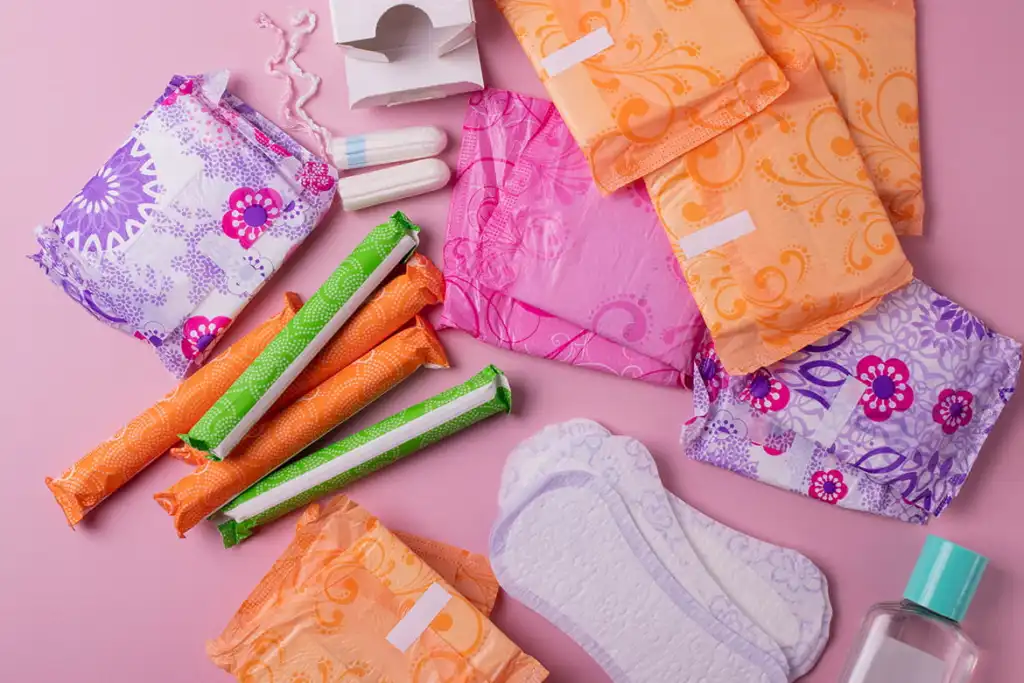
In Uganda, where access to menstrual hygiene products remains a significant challenge, renewable sanitary pads are a practical and sustainable solution, particularly in schools and hospitals. Many girls and women face period poverty, often missing school or work due to the high cost of disposable pads or lack of access to them. Reusable pads, which can be washed and reused for several years, provide an affordable and long-term alternative. This is especially important in rural areas, where disposable pads are often unavailable or unaffordable.
By introducing renewable pads in schools, Uganda can reduce absenteeism among girls, ensuring they stay in school and continue their education without interruption. Proper menstrual hygiene is crucial for the health, dignity, and education of girls and women. Studies indicate that girls in developing countries can miss up to 20% of their school year— approximately 50 days—due to inadequate menstrual products and sanitation facilities. Reusable sanitary pads offer an eco-friendly, cost-effective solution that can significantly reduce these barriers to school attendance and participation in vocational training. Additionally, promoting menstrual hygiene through education helps to unpack myths and stigma associated
